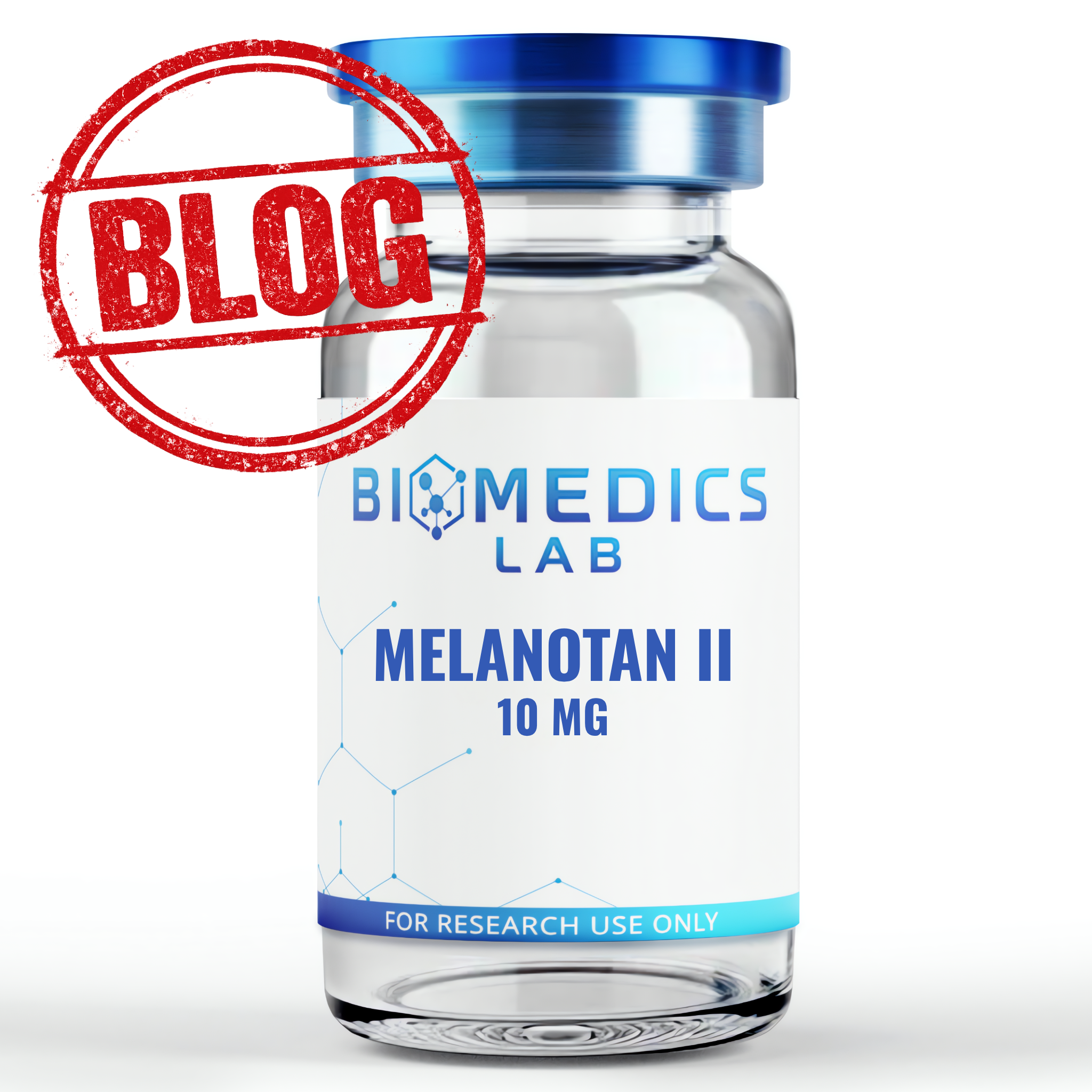

Melanotan II (MT2) functions as a synthetic peptide and an analog of the natural α-melanocyte-stimulating hormone (α-MSH). The compound represents a cyclic heptapeptide engineered to engage with the melanocortin system—a network of receptors governing pigmentation, neural signaling, and regulatory processes throughout the body.
Melanocortin Receptor Mechanisms
The peptide operates as a non-selective agonist targeting four of five known MC receptors:
MC1R – Pigmentation: Found in melanocytes, this receptor’s activation associates with eumelanin synthesis and skin darkening.
MC3R – Energy and Appetite: Located in brain tissue, preliminary evidence suggests involvement in appetite and energy balance modulation.
MC4R – Central Neurosignaling: Positioned in the hypothalamus, this receptor potentially influences motivation, arousal, libido-related circuits, and autonomic regulation.
MC5R – Peripheral Modulation: Distributed across multiple tissues; precise functions remain under investigation.
Research Applications
Pigmentation Studies
The compound stimulates melanin production absent UV exposure. Increased pigmentation has been reported in experimental settings, including in the face and upper body.
Neuroprotective Research
Mouse models with peripheral nerve damage demonstrated sensory recovery within 48 hours. The peptide offered partial protection against chemotherapy-induced neurotoxicity (including cisplatin).
Neurosignaling Effects
Clinical observations indicated enhanced arousal-related neurosignaling versus placebo, potentially involving MC4R, dopaminergic, and oxytocinergic pathways.
Neurodevelopmental Modulation
Preclinical work suggests the compound may influence oxytocin release and modulate multiple neurotransmitter systems including serotonergic, dopaminergic, glutamatergic, and GABAergic pathways.