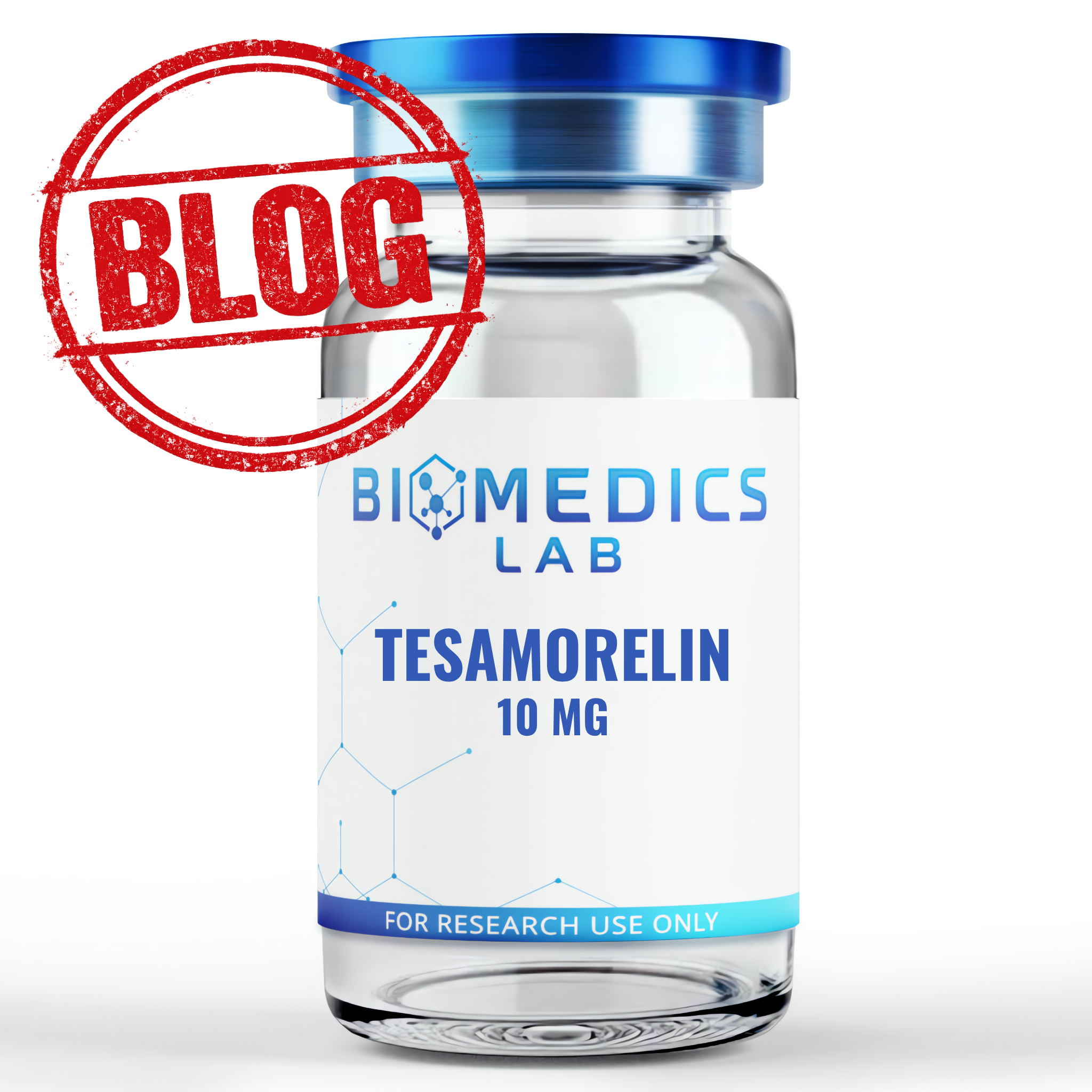

Tesamorelin is a synthetic polypeptide composed of 44 amino acids developed as an analog of natural growth hormone-releasing hormone (GHRH). The compound features targeted chemical modifications at its N-terminus and C-terminus that distinguish it from natural GHRH.
How does Tesamorelin work?
The proposed mechanism mirrors natural GHRH function. In research models, tesamorelin binds to GHRH receptors in the anterior pituitary gland, potentially increasing growth hormone (hGH) production and release. Growth hormone influences multiple physiological processes including stimulating hepatocytes to produce IGF-1 and promoting lipolytic properties.
Tesamorelin and Lipodystrophy
Two 26-week phase III studies involving 806 subjects demonstrated significant visceral adipose tissue reduction averaging 15.4% or greater. Triglyceride and cholesterol levels decreased relative to placebo groups.
Tesamorelin and Muscle Tissue
CT scan studies assessed muscle quality and volume changes. Results suggested possible increases in muscle density and size, particularly in rectus abdominis, psoas major, and paravertebral muscles.
Tesamorelin and Visceral Fat
Visceral obesity associates with metabolic disorders including insulin resistance, elevated LDL cholesterol, and atherosclerosis. Research indicates tesamorelin may reduce visceral fat by approximately 25% in certain research contexts.