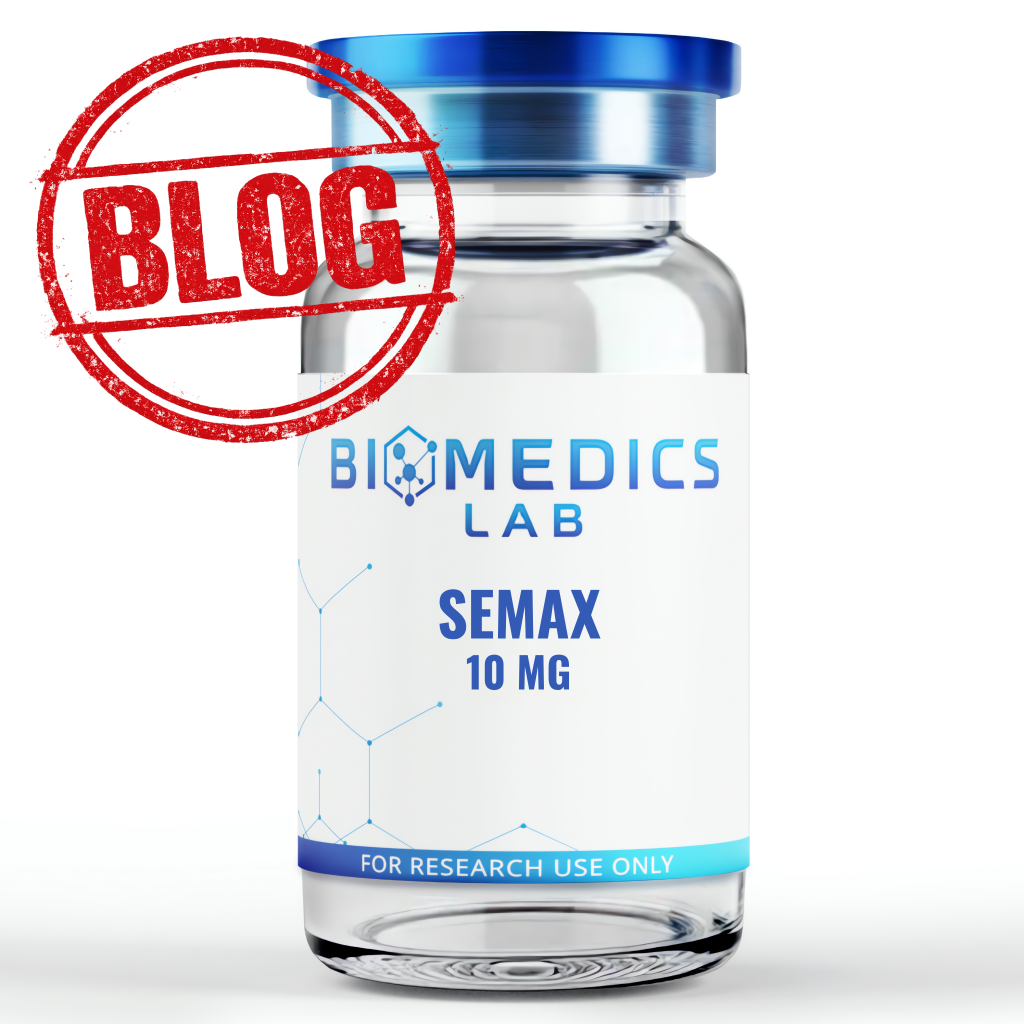

Semax represents a synthetic peptide derived from a natural hormone fragment, ACTH (4–7), which is normally produced in the pituitary gland. Unlike the original hormone, this fragment shows no hormonal activity but appears to have specific brain effects, making it particularly relevant for neurological and cognitive research.
Why was Semax synthetically developed?
Natural peptides typically suffer from instability, being rapidly degraded by bodily enzymes. By incorporating an additional amino acid structure (the PGP sequence), Semax may more effectively penetrate the blood-brain barrier. This modification simultaneously enhances peptide stability.
How is Semax being studied?
Research indicates that Semax influences various brain processes. A primary focus concerns its potential interaction with enkephalins—natural substances governing pain perception, stress, and emotional regulation. Additional research areas include its potential influence on neurotransmitters such as serotonin and dopamine, BDNF (Brain-Derived Neurotrophic Factor), and gene expression related to immune and vascular processes.
Semax and Cognitive Functions
Results suggested increased serotonergic activity, which may be associated with improvements in mood, focus, and learning ability. Under stressful conditions, models studied with Semax demonstrated improved memory, longer concentration, and better adaptation to stressful stimuli.
Semax and Anxiety & Stress
Semax appeared to contribute to restoring balance in neurotransmitter systems, which was reflected in reduced anxiety behavior and improved learning ability. Some effects persisted long-term, suggesting Semax may influence neural network stability.
Research on neuroprotection
In neurological damage models including ischemic stroke, Semax was associated with faster functional recovery. In cardiovascular research, the peptide appeared to contribute to more favorable cardiac tissue remodeling.